
Engineering is how I approach the world.
I am George Stavroulakis and the people close to me, call me “The Goat”.
My work spans technology, scientific research and computing, artificial intelligence, digital systems and music. Outside my professional life, I am equally interested in performance engineering of another kind: cars, physical performance and longevity.
At first glance, these may appear to be unrelated worlds but to me, they are not. They are all connected by the same underlying philosophy:
Understand the system, identify the bottleneck, improve and prevail.
Engineering, in that sense, is not just an identity; it is the way I think.
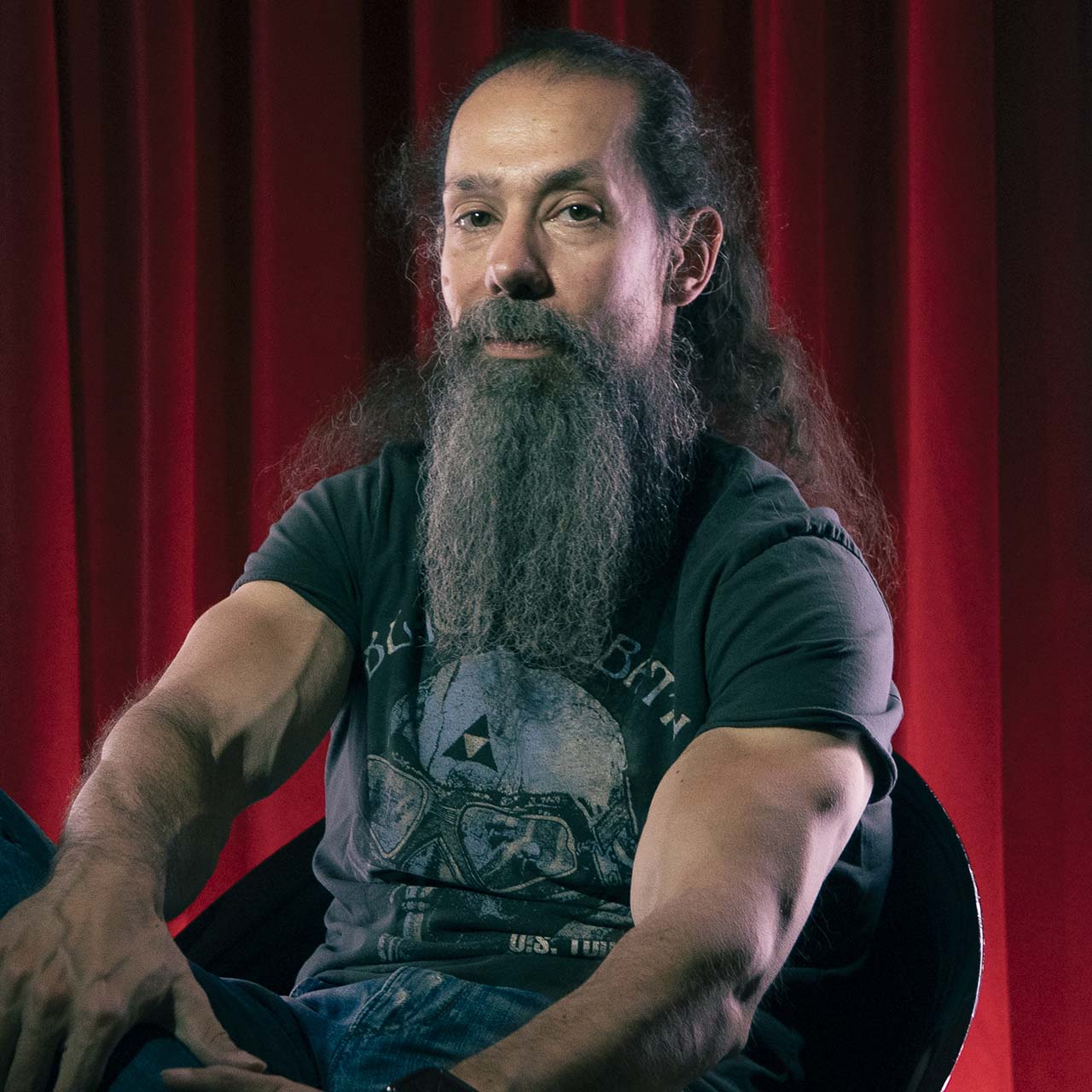
The engineering mindset
Too expensive. Too complex. Too volatile. Too difficult to understand. Or simply, not yet possible. My instinct has always been to ask:
Why does it work this way?
What are the constraints?
What can be changed?
What can be made better?
This mindset has shaped virtually everything I have chosen to do. It is present when I design a software architecture, when I work on numerical methods for solving complex physical systems, when I explore how artificial intelligence can support public policy or expand the human psyche. It is even present when I explore the limits of the augmented guitar, when I tune a car engine and when I think about training, nutrition and my own long-term performance.
While domains change, the process remains surprisingly similar.
Solve problems, build useful things
I have never been particularly interested in technology for technology’s sake. The value of engineering is ultimately determined by what it allows people to do. A better numerical algorithm can make an engineering simulation practical. A digital twin can help someone understand a physical system. A carefully designed AI architecture can help people navigate complex information. A trusted digital infrastructure can reduce friction between organizations. A better policy-analysis methodology can reveal options that were previously difficult to see.
The objective is therefore not simply innovation; it is useful innovation.
My strongest motivation is solving problems in ways that make systems work better and, ultimately, make people’s lives better.
Sometimes that improvement is abrupt and dramatic. Often, it is a gradual process. Both are equally valuable.
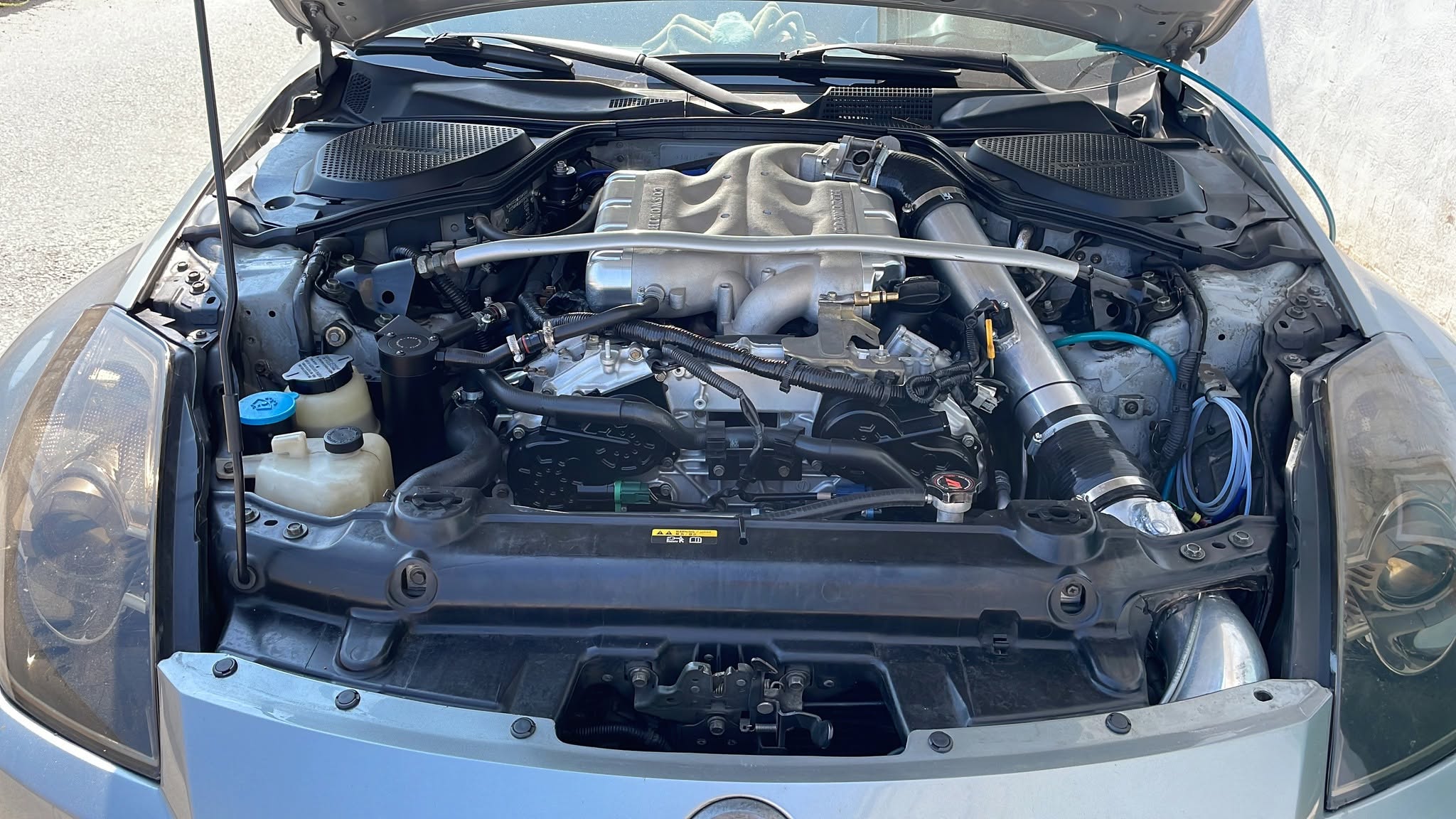
Cars, engineering you can feel
My interest in engineering also extends to cars. I have a particular affinity for Japanese performance-car culture of the 2000s—the JDM era in which mechanical engineering, electronics and enthusiast tuning became deeply interconnected.
For me, this period represents something special. Cars were already electronically sophisticated enough for engine management to become an important part of tuning, while still retaining a strong mechanical character that allowed an enthusiast to understand what the machine was doing.
That combination is particularly appealing.
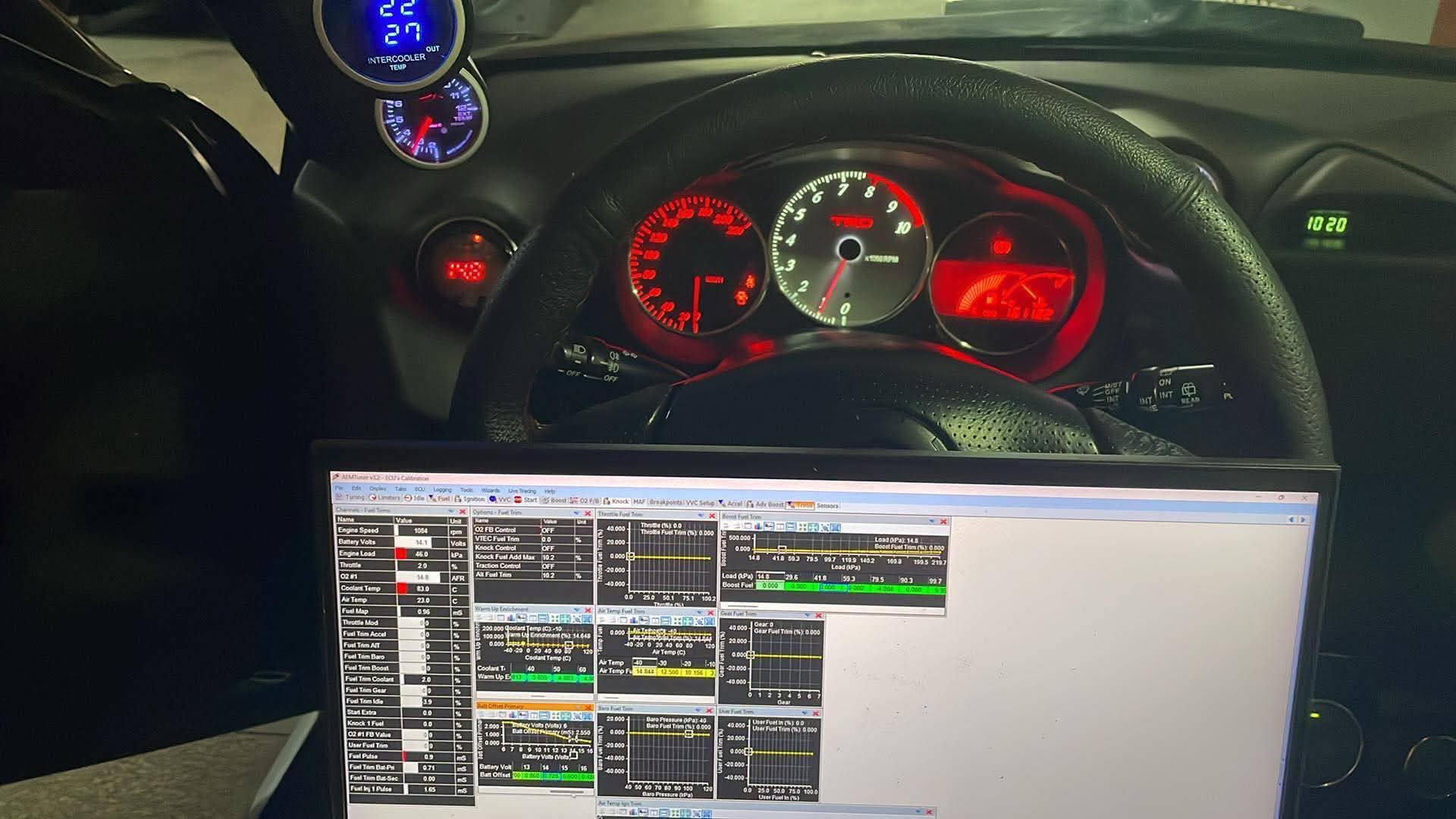
ECU tuning
I am actively involved in car ECU tuning, with particular familiarity with platforms around:
- Toyota Celica;
- Toyota Corolla;
- Nissan 350Z;
- Subaru Impreza;
and related Japanese performance platforms. My involvement extends into the regional enthusiast and tuning ecosystem surrounding these cars.
ECU calibration is particularly interesting because it sits directly between software and mechanical engineering. The engine is physical. Combustion is physical. Airflow is physical. Temperature is physical.
But increasingly, the behaviour of that physical system is governed by software: Ignition timing. Fuel delivery. Throttle response. Load calculation. Variable valve timing. Protection strategies. Sensor interpretation.
The calibration layer determines how these systems interact.
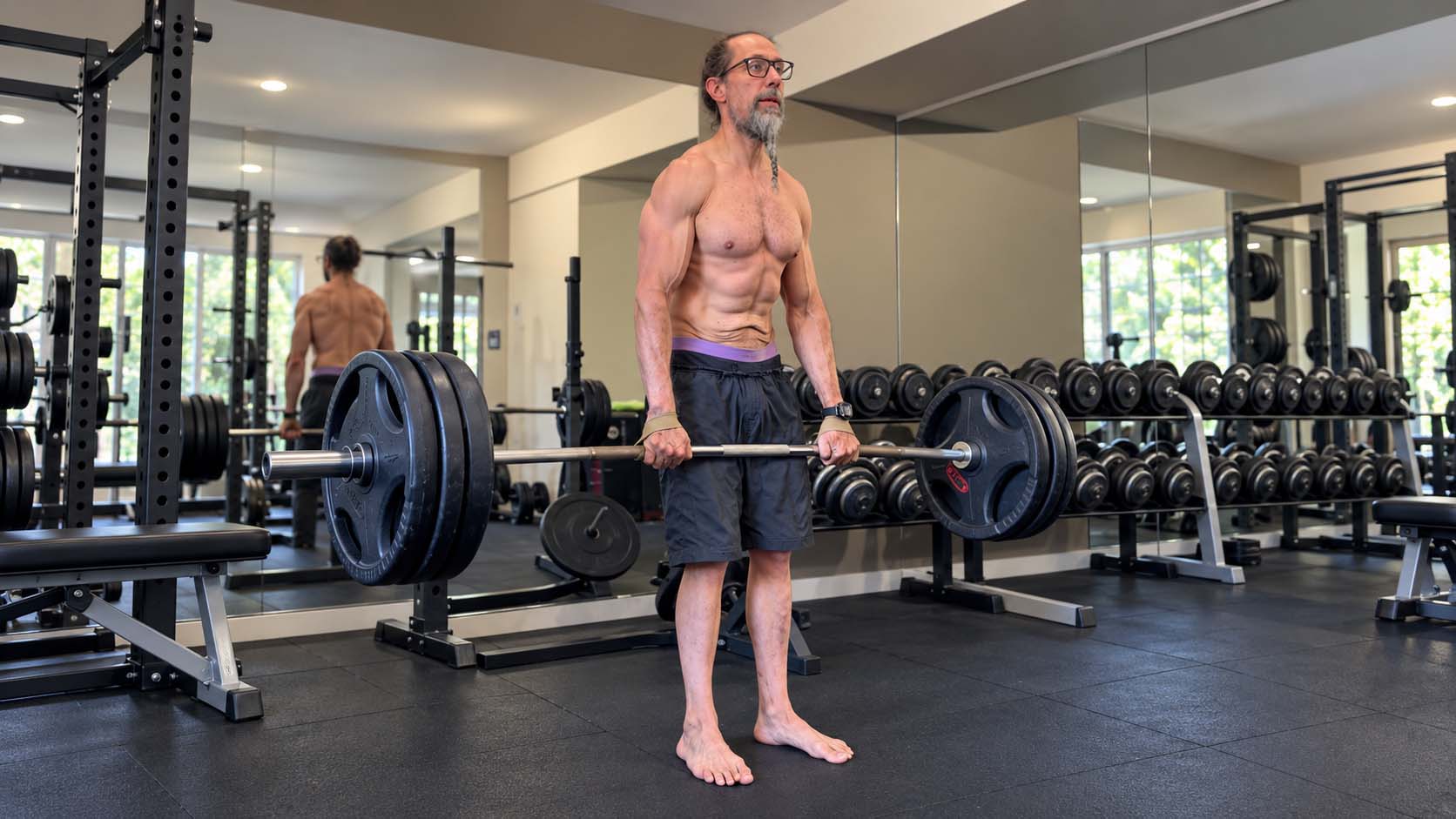
The human body as infrastructure
My ability to perform across many different activities depends on something more fundamental than productivity tools or time management. It depends on physical and mental capacity. For that reason, weight training, nutrition and long-term health optimization are an important part of my life.
I have trained consistently for many years and approach physical performance with the same structured mindset I apply elsewhere. The objective is not simply appearance. It is capability, strength, energy, recovery, consistency, resilience and the ability to continue performing at a high level over a long period of time.
My interest in longevity follows naturally from this philosophy. I am not interested in longevity simply as extending chronological lifespan. The objective is preserving function: to remain strong, mentally sharp, independent, creative, curious, full of life, capable of continuing to work on difficult problems.
I therefore follow developments around areas such as:
- exercise physiology;
- cardiovascular and metabolic health;
- sleep and recovery;
- nutrition and supplementation;
- biomarkers and emerging longevity research.
I treat this field with the same mindset I bring to technology:
Measure what can be measured, question assumptions, follow evidence and avoid confusing novelty with effectiveness.
Making things better
Technology changes quickly. Research continually opens new questions. Musical languages evolve. Machines improve. Our understanding of human performance changes. Specific interests will therefore continue to evolve throughout my life.
The underlying objective is much more stable.
Learn deeply.
Understand the system.
Solve difficult problems.
Build things that work.
Keep improving and, whenever possible:
make life better.
That is the philosophy behind my work—and behind almost everything else I do.