
More than notes.
I approach music as a space for improvisation, experimentation and expression—where jazz, fusion, electronics and technology meet, and where the guitar becomes more than an instrument: a platform for creating something new.
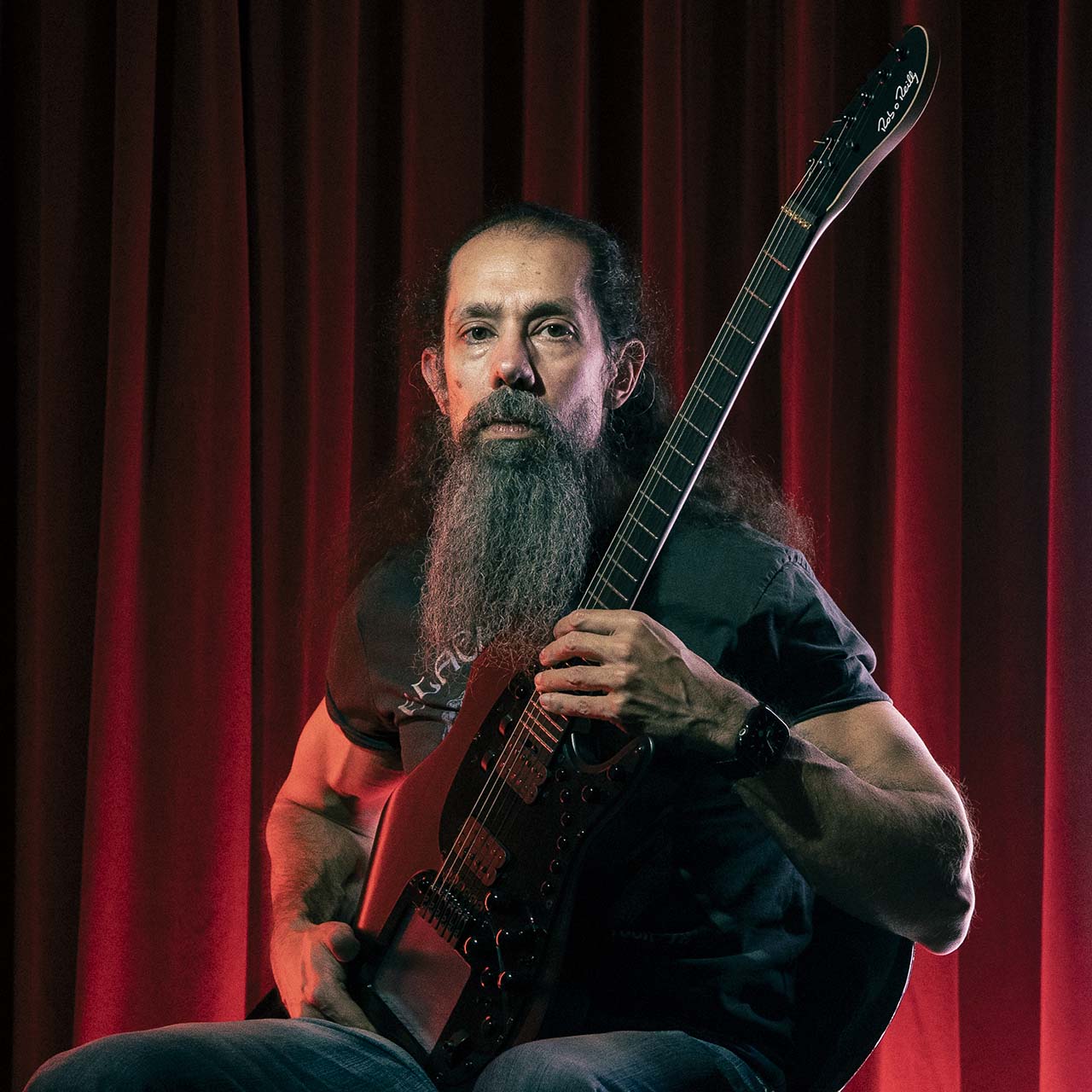
Jazz, fusion, electronics: The augmented guitar
I have always approached the electric guitar as more than a six-string instrument. For me, it is simultaneously an instrument for improvisation, a sound generator, an electronic interface and a platform for experimentation.
My musical background is rooted in jazz, but my work has consistently moved across the boundaries between contemporary jazz, fusion, progressive music, rock and electronic sound.
Over more than two decades in the Greek music scene, I have worked as a bandleader, sideman, composer, recording musician and producer, collaborating with musicians from Greece and abroad and participating in projects ranging from acoustic jazz to heavily processed electronic music.
Today, these different directions increasingly converge in what I describe as the idea of the:
Augmented guitar
A guitar whose musical possibilities are extended through synthesis, MIDI, processing, looping, software and real-time digital interaction—without losing the physicality and immediacy of the electric guitar itself.
A life around the electric guitar
The guitar entered my musical life through rock and fusion before eventually leading me deeply into jazz.
The music of players such as Allan Holdsworth, Ben Monder, Tim Miller, Kurt Rosenwinkel and other musicians who expanded the vocabulary of the electric guitar strongly influenced the way I began thinking about the instrument.
Jazz subsequently provided something even more fundamental:
Improvisation.
Improvisation changed the guitar from an instrument used to reproduce music into a system through which music could be created in real time.
That distinction has remained central to everything I do. Whether I am playing modern jazz, fusion, electronic music or a radically rearranged standard, the underlying objective remains the same:
Listen, react, construct and explore.
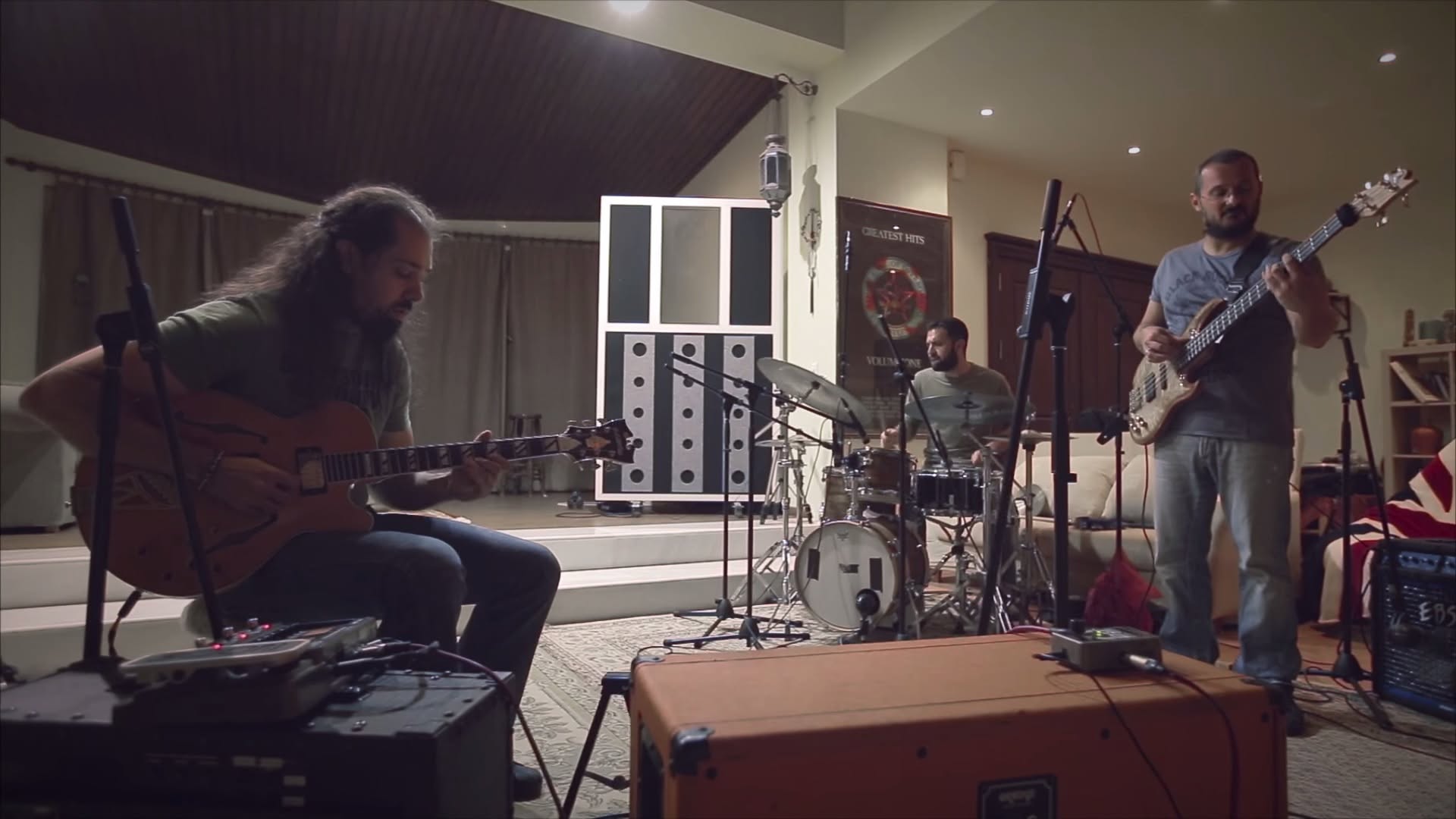
The Greek jazz scene
My relationship with the Greek jazz scene stretches back more than twenty years. During the 2000s I became increasingly active as a sideman in the Athens jazz circuit, performing with musicians including Kostas Konstantinou, Serafim Bellos, Pantelis Benetatos, Periklis Trivolis and many others.
Those years were important. Jazz is learned partly through study, but equally through the bandstand—through playing with different musicians, responding to different concepts and learning how to become part of a musical conversation.
Over the years I have moved between the roles of sideman and bandleader, playing contemporary jazz while continuously introducing influences from fusion, rock and electronic music. That combination gradually became a recognizable part of my musical identity.
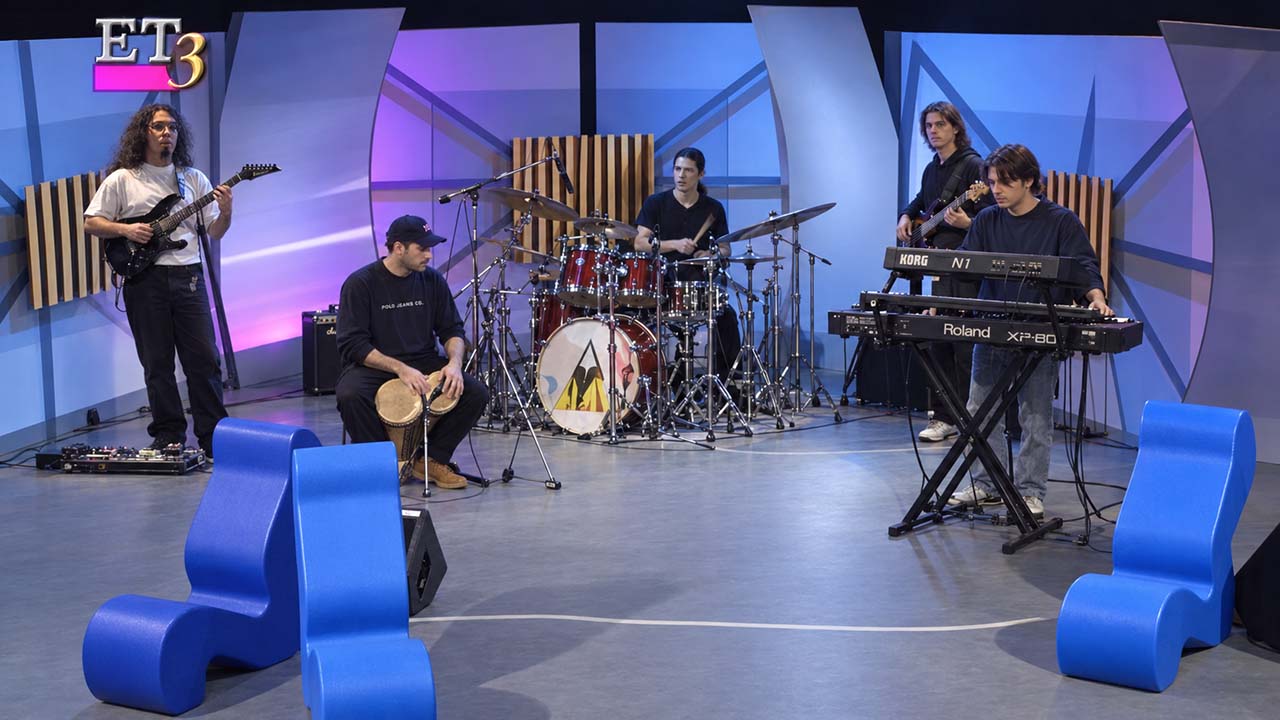
Before jazz had boundaries
My interest in combining music and technology did not begin with MIDI guitars. Long before the current convergence between live instrumentation and electronic production became commonplace, I was exploring similar territory through Tidal Flood. Tidal Flood was a rock/electronic project formed at a time when this kind of hybrid approach was unusual within the Greek scene. The idea was not simply to add electronic decoration to a rock band. It was to allow rock instrumentation, programming, synthesized textures and electronic aesthetics to coexist inside the same musical identity.
That experience became an early expression of an idea that has remained with me throughout my career:
Technology should not sit outside the music. It should become part of the instrument itself.
My activities during that broader period also crossed progressive rock and alternative forms of electric music, alongside an increasingly intensive involvement with jazz. Eventually those paths converged.
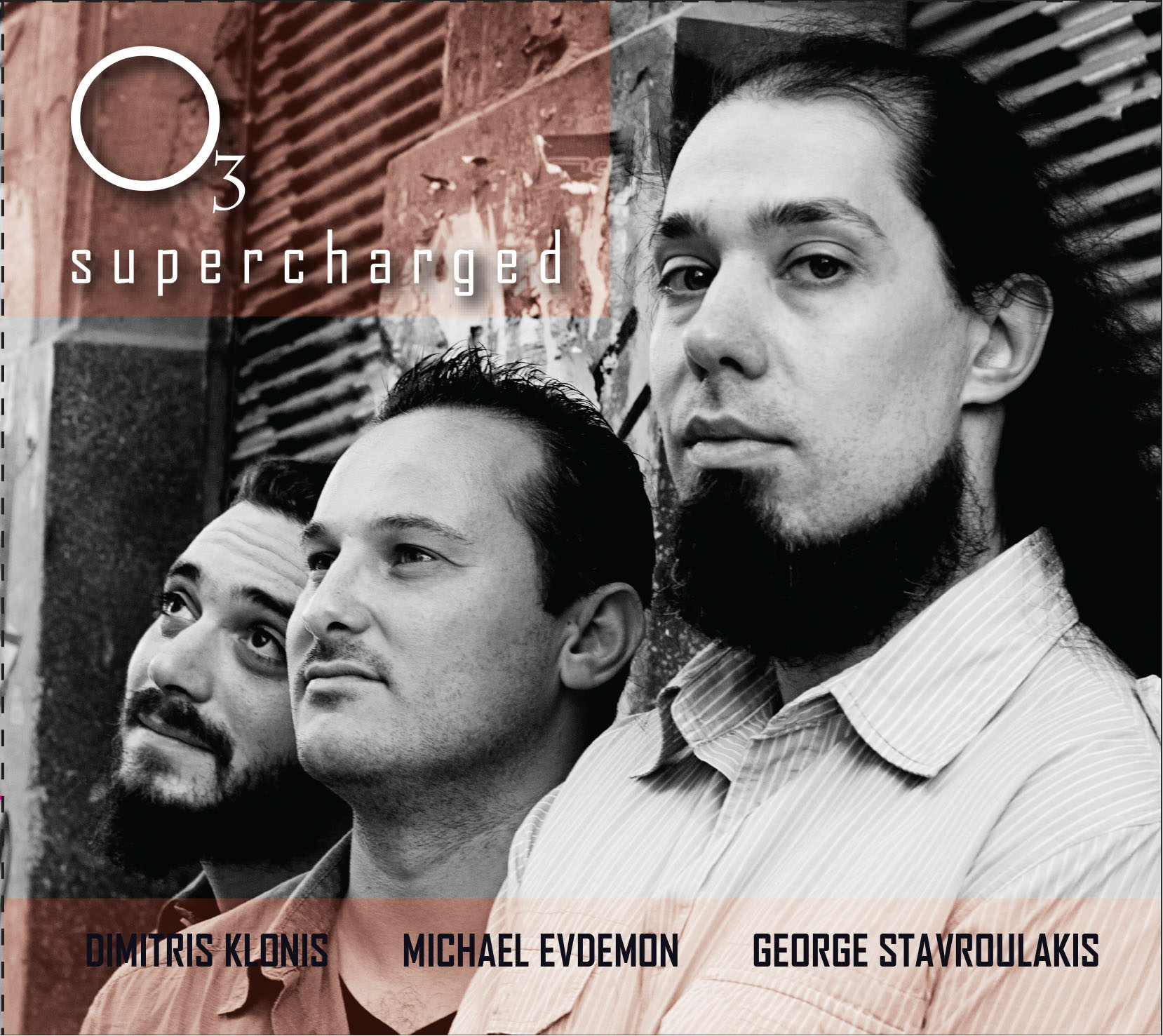
O3
Fusion as a language
One of the defining steps in that convergence was O3, the trio with bassist Michael Evdemon and drummer Dimitris Klonis. O3 operated in the territory between modern jazz and high-energy fusion. It gave me the opportunity to develop a much more personal electric-guitar language in an environment where improvisation, complex rhythmic interaction and the energy of rock could coexist.
The trio recorded Supercharged, a project that became an important landmark in my development as a jazz/fusion guitarist.
O3 also led to one of the formative international experiences of my musical career.

Master-Jam, Ukraine
Jazz without borders
In 2013 I travelled to Ukraine to participate in the international Master-Jam Jazz Festival, an unusual festival and competition structured around improvisation. Musicians from many countries were brought together and combined into ensembles, often without having previously played with one another.
The concept reduced jazz to one of its most fundamental principles:
musicians meeting through improvisation.
Among the musicians participating was the then nine-year-old Indonesian phenomenon Joey Alexander, who would only a few years later become internationally recognized as one of the remarkable jazz pianists of his generation. Playing in that environment—alongside musicians from entirely different backgrounds—was a powerful reminder that improvisation creates its own language.
I was awarded the festival distinction for Best Jazz Guitar Performance / Best Guitarist.
The award was important. But the greater value of Master-Jam was the experience of discovering how quickly musicians who had never met could communicate when the common language was jazz.
Triplicity
Future Fusion
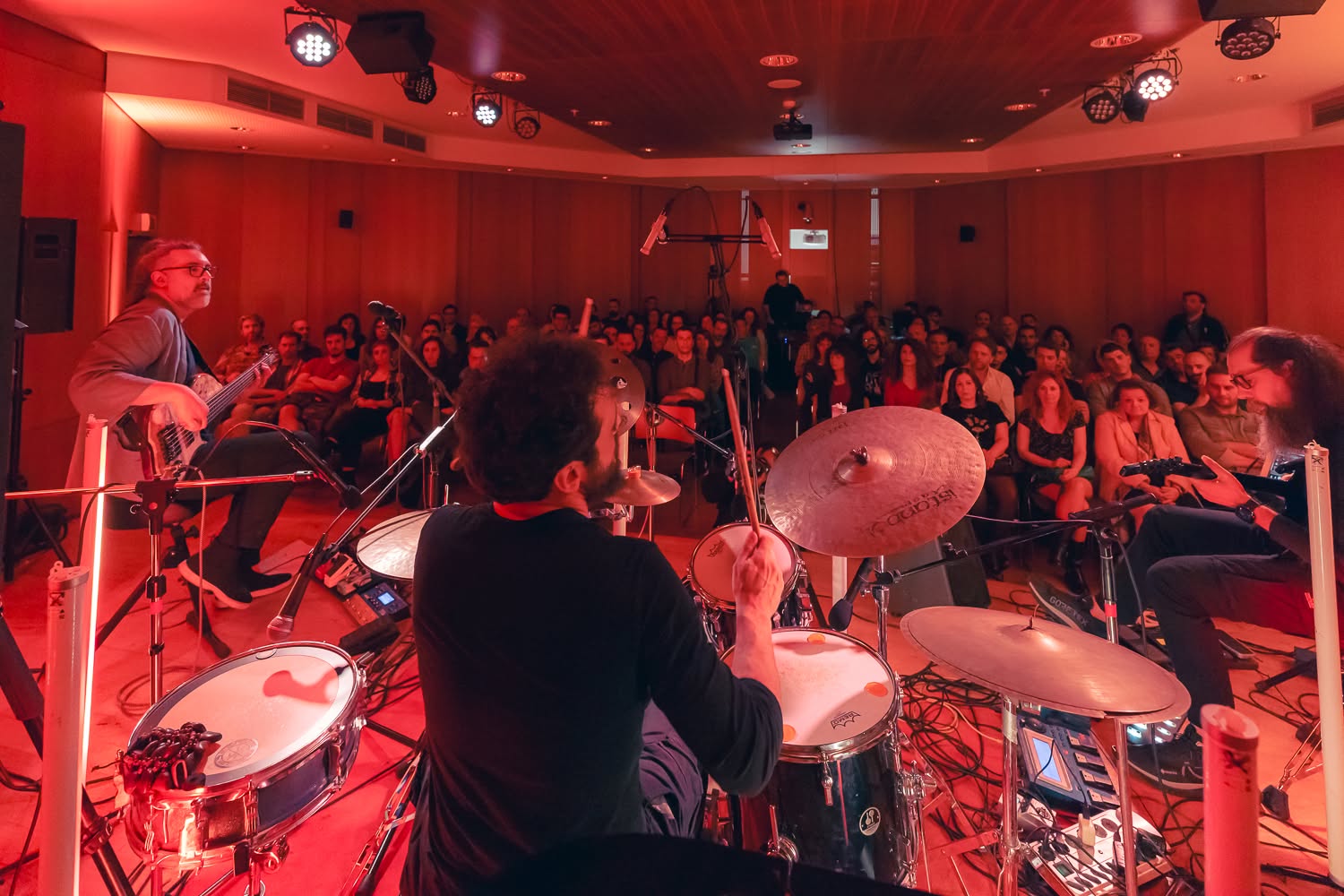
If O3 represented one stage in my development as a fusion guitarist, Triplicity allowed the electronic side of my musical identity to become considerably more explicit. Together with bassist Panagiotis Bourazanis and initially drummer Panos Vassilopoulos, later joined by Dimitris Klonis, we developed a musical direction we came to describe as:
future fusion.
Triplicity combines improvisation with:
- electric and electronic soundscapes;
- polyrhythm;
- guitar synthesis;
- bass effects;
- loops;
- contemporary production;
- world rhythmic influences;
- jazz harmony;
- and the energy of electric music.
The objective was never to recreate the fusion music of the 1970s.
The question was:
What should fusion mean now?
If fusion historically represented the collision of jazz with the technology and popular music of its time, contemporary fusion should continue doing exactly that. It should interact with electronic music, sound design, digital processing and the sonic vocabulary of the present.
That philosophy became central to Triplicity.